Can a House Be Condemned for Hoarding in Ohio? Legal Guide
Learn whether a house can be condemned for hoarding in Ohio, what laws apply, your rights as a homeowner or tenant, and how to prevent condemnation. Covers Ohio Revised Code 3707.01 and local enforcement.
Need cleanup help?

One of the most common fears among people living with hoarding disorder in Ohio — and their family members — is the possibility of having their home condemned. The short answer is yes, a house can be condemned for hoarding in Ohio, but the process involves multiple steps, legal protections, and opportunities to resolve the situation before it reaches that point.
This guide explains the Ohio laws that govern property condemnation, how the process works, what rights you have, and what steps you can take to prevent or reverse a condemnation order. If you are facing a code enforcement action related to hoarding, understanding the legal framework is your most powerful tool.
Ohio Laws That Apply to Hoarding Condemnation
Several Ohio statutes and local ordinances can be used to condemn a property where hoarding has created unsafe or unsanitary conditions. The primary legal authorities include the following.
Ohio Revised Code Section 3707.01 — Board of Health Powers
This is the most broadly applied law in hoarding-related condemnation cases. Under ORC 3707.01, local boards of health have the authority to abate nuisances and investigate conditions that may be detrimental to public health. Hoarding situations that create unsanitary conditions, pest infestations, or biohazard exposure fall squarely within this authority.
The law grants local health departments the power to:
- Inspect properties when there is reasonable cause to believe a health hazard exists
- Issue orders requiring property owners to correct unsanitary conditions
- Declare a property unfit for human habitation
- Pursue legal remedies if the property owner fails to comply with correction orders
Ohio Revised Code Section 3781.06 — Building Standards
This statute establishes the Ohio Board of Building Standards and authorizes the adoption of building codes. When hoarding causes structural damage, blocked egress, or fire code violations, local building inspectors can cite the property under state building standards.
Ohio Revised Code Section 715.26 — Municipal Authority
Under ORC 715.26, Ohio municipalities have the authority to regulate buildings that are unsafe, unsanitary, or in a condition that constitutes a nuisance. Many Ohio cities — including Columbus, Cleveland, Cincinnati, Dayton, Akron, and Toledo — have local nuisance abatement ordinances that provide additional enforcement mechanisms beyond state law.
Ohio Fire Code
The Ohio Fire Code, adopted under ORC Chapter 3737, requires that properties maintain clear means of egress and prevent conditions that create fire hazards. Hoarding is one of the most common causes of fire code violations in Ohio residential properties. Blocked doorways, obstructed hallways, and combustible materials stacked near heat sources are all citable offenses.
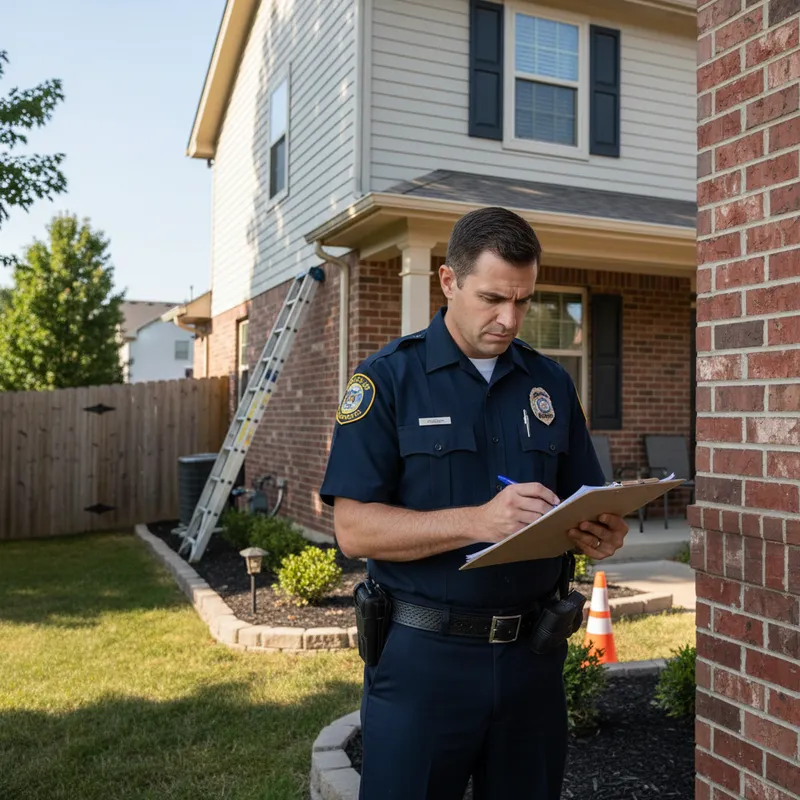
How the Condemnation Process Works in Ohio
Condemnation for hoarding does not happen overnight. The process typically follows a sequence of escalating actions that provides the property owner multiple opportunities to resolve the situation.
Stage 1: Complaint and Initial Investigation
The process usually begins when someone files a complaint with the local code enforcement office, health department, or fire department. Common sources of complaints include:
- Neighbors who notice odors, pests, or visible clutter on the property exterior
- Utility workers who observe hazardous conditions during service calls
- Postal carriers who notice mail accumulation or access issues
- Family members or friends who are concerned about the occupant's safety
- Emergency responders who encounter hoarding conditions during a medical or fire call
After receiving a complaint, the relevant agency will attempt to schedule an inspection. In Ohio, inspectors generally need either the homeowner's consent or an administrative warrant to enter a private residence. However, conditions visible from outside the property (exterior clutter, odors, pest activity) can justify further enforcement action without interior access.
Stage 2: Notice of Violation
If the inspection reveals code violations, the property owner receives a written notice of violation. This document specifies:
- The specific violations identified (citing the relevant Ohio statutes or local ordinances)
- A description of the conditions that must be corrected
- A deadline for compliance, which typically ranges from 15 to 90 days depending on the severity
- The consequences of failure to comply
- Information about the property owner's right to appeal
This notice is a critical document. It is your opportunity to act before more serious consequences follow. If you receive a notice of violation related to hoarding, contact a hoarding cleanup provider immediately to begin addressing the conditions.
Stage 3: Reinspection and Escalation
After the compliance deadline passes, inspectors return to verify whether corrections have been made. If the violations persist:
- A second notice may be issued with a shorter compliance window
- Fines may be imposed (in Ohio, these range from $100 to $1,000 per day depending on the municipality)
- The case may be referred to the city prosecutor or county health department for legal action
- An emergency order may be issued if immediate health or safety risks are identified
Stage 4: Condemnation Order
If violations remain uncorrected after all notices and enforcement attempts, the local authority may issue a condemnation order declaring the property unfit for human habitation. This order:
- Requires all occupants to vacate the property within a specified timeframe (usually 24 to 72 hours for emergency orders, or 10 to 30 days for standard orders)
- Prohibits anyone from living in the home until the violations are fully corrected and the property passes reinspection
- May authorize the municipality to board up the property to prevent unauthorized entry
- Is posted publicly on the property and recorded with the county recorder's office
Stage 5: Demolition (Worst Case)
In the most extreme cases, if the property is damaged beyond reasonable repair or the owner abandons it, the municipality may petition for demolition under Ohio's nuisance abatement laws. The cost of demolition is typically assessed as a lien against the property, which can exceed $10,000 to $30,000. For more details on typical expenses, see our guide to hoarding cleanup costs in Ohio.
Homeowner Rights vs. Tenant Rights in Ohio
Your legal rights and responsibilities differ depending on whether you own or rent the property.
Homeowner Rights
- Right to due process: You must receive written notice and a reasonable opportunity to correct violations before condemnation
- Right to appeal: Most Ohio municipalities provide a formal appeal process through a housing board of appeals or administrative hearing
- Right to legal representation: You may hire an attorney or, in some jurisdictions, request legal aid representation
- Right to request extensions: If you demonstrate good faith effort to correct the conditions, many enforcement agencies will grant additional time
- Right to choose your cleanup method: The government cannot dictate which cleanup company you use, only that the conditions are corrected to code
Tenant Rights
Tenants in Ohio have a different set of protections and obligations.
- Landlord responsibility: Under Ohio Revised Code Section 5321.04, landlords are obligated to maintain rental properties in a habitable condition. If the landlord's neglect contributed to the hoarding conditions, the tenant may have defenses
- Lease protections: A tenant cannot be evicted solely because the property is condemned, but the lease terms may address property maintenance obligations
- Relocation rights: If a rental property is condemned, some Ohio municipalities require the landlord to assist with relocation costs or provide alternative housing
- Tenant-caused hoarding: If the tenant's hoarding created the conditions, the landlord may have grounds for eviction under the lease terms, and the tenant may be held responsible for cleanup costs
| Legal Right | Homeowner | Tenant |
|---|---|---|
| Written notice before condemnation | Yes | Yes |
| Right to appeal | Yes | Yes |
| Responsible for cleanup costs | Yes | Depends on lease and cause |
| Can be required to vacate | Yes, after due process | Yes, after due process |
| Relocation assistance | No | Varies by municipality |
| Can choose cleanup provider | Yes | Landlord typically decides |
For more detailed information about your specific legal situation, visit our legal rights resource page or consult with an Ohio attorney who specializes in housing law.
How to Prevent Condemnation for Hoarding
Prevention is always better than remediation. If you are concerned that hoarding conditions in your home or a loved one's home could lead to condemnation, take these steps.
1. Assess the Severity
Understanding where the situation falls on the hoarding severity scale helps you gauge urgency. Properties at Level 3 and above are at the highest risk of attracting code enforcement attention.
2. Address Exterior Conditions First
Most complaints originate from conditions visible from outside the home. Prioritize removing exterior clutter, maintaining the yard, ensuring walkways are clear, and eliminating visible pest activity. This reduces the likelihood of neighbor complaints and buys time to address interior conditions.
3. Ensure Basic Safety
Focus on the conditions most likely to trigger condemnation:
- Clear all exits and maintain unobstructed pathways to every exterior door
- Ensure smoke detectors and carbon monoxide detectors are functional
- Verify that all utilities (water, electricity, gas, HVAC) are operational
- Address any active pest infestations
- Remove all biohazardous materials
4. Seek Professional Help Before Enforcement Begins
Proactive cleanup is far less stressful and often less expensive than cleanup ordered by a court. Contact a hoarding cleanup provider in Ohio for a confidential assessment. Most providers offer payment plans for clients facing financial constraints.
5. Cooperate with Inspectors
If a code enforcement officer contacts you, cooperation generally produces better outcomes than resistance. Inspectors have wide discretion in setting timelines and enforcement actions. A homeowner who is demonstrating good faith effort to address conditions is far more likely to receive extensions and flexibility than one who is uncooperative or hostile.
6. Get Mental Health Support
Hoarding disorder is a recognized mental health condition. Connecting with a therapist who specializes in hoarding can help address the underlying causes while the physical cleanup is underway. Ohio has numerous mental health providers who understand hoarding, and some municipalities will consider ongoing treatment as evidence of good faith effort during enforcement proceedings.

What to Do If Your Home Has Already Been Condemned
If you have received a condemnation order, the situation is serious but not necessarily permanent. Take these steps.
1. Do Not Ignore the Order
A condemnation order is a legal mandate. Ignoring it can result in criminal charges, additional fines, and forced entry by authorities. Treat it with the urgency it deserves.
2. Contact an Attorney
An Ohio housing attorney can review the order, identify any procedural defects, advise you on your appeal rights, and negotiate with the enforcement agency on your behalf. Ohio Legal Aid societies offer free representation to qualifying individuals.
3. File an Appeal If Appropriate
If you believe the condemnation order was issued improperly or the conditions do not warrant it, you have the right to appeal. Appeals must typically be filed within 10 to 30 days of the order, depending on the municipality.
4. Hire a Professional Cleanup Team Immediately
The fastest way to reverse a condemnation order is to correct the conditions that caused it. A professional hoarding cleanup team can work efficiently to bring the property into compliance. Learn about the hoarding cleanup process so you know what to expect. Call (330) 737-7740 for an emergency referral to a qualified Ohio provider.
5. Document Everything
Keep records of all cleanup activities, receipts, contracts, photographs showing progress, and communications with the enforcement agency. This documentation demonstrates good faith effort and supports any appeals or extension requests.
6. Request Reinspection
Once the conditions have been corrected, contact the issuing agency and request a reinspection. If the property passes, the condemnation order is lifted and the property can be reoccupied.
Ohio-Specific Resources for Homeowners Facing Enforcement
Several organizations in Ohio provide assistance to homeowners dealing with code enforcement actions related to hoarding.
- Ohio Legal Aid: Free legal services for income-qualifying residents facing housing issues, including condemnation and eviction
- NAMI Ohio: The National Alliance on Mental Illness Ohio chapter provides advocacy, support groups, and referrals for people with hoarding disorder
- Ohio Department of Aging: For seniors facing hoarding-related enforcement, the department offers case management and referrals to local Area Agencies on Aging
- County-based hoarding task forces: Several Ohio counties, including Franklin, Cuyahoga, Hamilton, and Summit, have multi-agency hoarding task forces that coordinate health, safety, and mental health services
- Ohio Housing Finance Agency: Financial assistance programs that may help cover cleanup or repair costs for qualifying homeowners
Visit our resources page for a comprehensive list of Ohio organizations that assist with hoarding-related housing issues.
Frequently Asked Questions
Can the city enter my home without my permission?
Generally, no. In Ohio, code enforcement officers need either your consent or an administrative search warrant to enter a private residence. However, if there is an imminent threat to public health or safety (such as a fire, structural collapse risk, or visible biohazard), emergency entry may be permitted without a warrant.
How much time do I have to fix the violations?
Compliance deadlines vary by municipality and severity. Standard notices typically allow 15 to 90 days. Emergency orders may provide as little as 24 to 72 hours. Extensions are often available if you demonstrate active progress.
Will condemnation go on my permanent record?
Condemnation orders are public records and are typically filed with the county recorder. They can affect property values and sales. However, once the conditions are corrected and the order is lifted, the property can regain its status as habitable.
Can I be fined for hoarding?
You can be fined for the code violations that result from hoarding, such as nuisance conditions, fire code violations, and health hazards. Fines in Ohio municipalities typically range from $100 to $1,000 per day of non-compliance. You are not fined for having hoarding disorder itself.
Does Ohio recognize hoarding as a disability for housing purposes?
Hoarding disorder is recognized as a mental health condition under the DSM-5. Under the federal Fair Housing Act and Ohio's fair housing laws, individuals with hoarding disorder may be entitled to reasonable accommodations, such as additional time to comply with cleanup orders. This area of law is evolving and varies by jurisdiction.
Take Action Before It Is Too Late
If hoarding conditions in your Ohio home are approaching a level that could attract code enforcement attention, the time to act is now. Early intervention is less expensive, less stressful, and far more likely to preserve your housing stability.
Call the Ohio Hoarding Cleanup Directory at (330) 737-7740 for a confidential referral to a qualified cleanup provider in your area. You can also search our directory to find providers by location, use our cost calculator to estimate cleanup expenses, take our hoarding assessment to evaluate the severity of the situation, or contact us for personalized guidance.
Need Help Now?
Get a free, no-obligation estimate from trusted Ohio providers.
Ready to Get Help?
Get a free, no-obligation estimate from our network of trusted Ohio providers.